
The history of angel numbers
The long version, roughly a 25 min read

Curated by Jordan Reyes
Type 444into a search bar and you will get a confident answer about protection and guardian angels, written as if it has always been common knowledge. It has not. The phrase “angel numbers” is barely two decades old. The woman who did the most to popularize it later stood up, called the whole thing garbage, and apologized for coining it. And the idea underneath the phrase, the hunch that numbers carry hidden meaning, is so old that we can trace it through Greek temples, rabbinic commentary, and Chinese elevator buttons that skip the fourth floor.
That gap between the ancient instinct and the modern brand is the whole story. People keep flattening it in both directions. One camp insists angel numbers are a timeless wisdom tradition handed down from Pythagoras. The other writes them off as an algorithm-fed fad invented yesterday. Both are wrong in interesting ways. What follows is the long version: where the raw material came from, who assembled it into the thing we have now, why its own inventor turned against it, and what cognitive science says is actually happening when a number seems to follow you around.
First, a definition, because the word is slippery
An angel number, in the way people use the term now, is a repeated or patterned sequence of digits read as a message: 111, 222, 333, the doubled time on a clock at 11:11, a license plate ending 444, a receipt total of $5.55. The message is usually framed as coming from angels, but in practice the sender floats. It might be guardian angels, spirit guides, ancestors, the universe, your higher self, or just your own intuition wearing a costume. That elasticity is recent and deliberate. It is also the first clue that we are dealing with a modern construction rather than an inherited doctrine. No ancient tradition I know of describes 111 on a microwave clock as a text from a celestial being. They had their own number symbolism, rich and serious, but it was a different animal.
The ancient instinct: numbers as something more than counting
The deep root is Pythagoras of Samos, who lived in the sixth century BCE and left behind no writings of his own. That detail matters more than people realize. Almost everything attributed to him comes from followers and later admirers, and the popular image of Pythagoras the master mathematician is largely a back-projection. The Stanford Encyclopedia of Philosophy is blunt about it: the early evidence shows that his fame in his own day rested not on mathematics or science but on his reputation as an expert on the fate of the soul, a teacher of reincarnation, and the founder of a strict religious way of life. Neither Plato nor Aristotle credits him with the famous theorem, which only gets attached to his name centuries later.
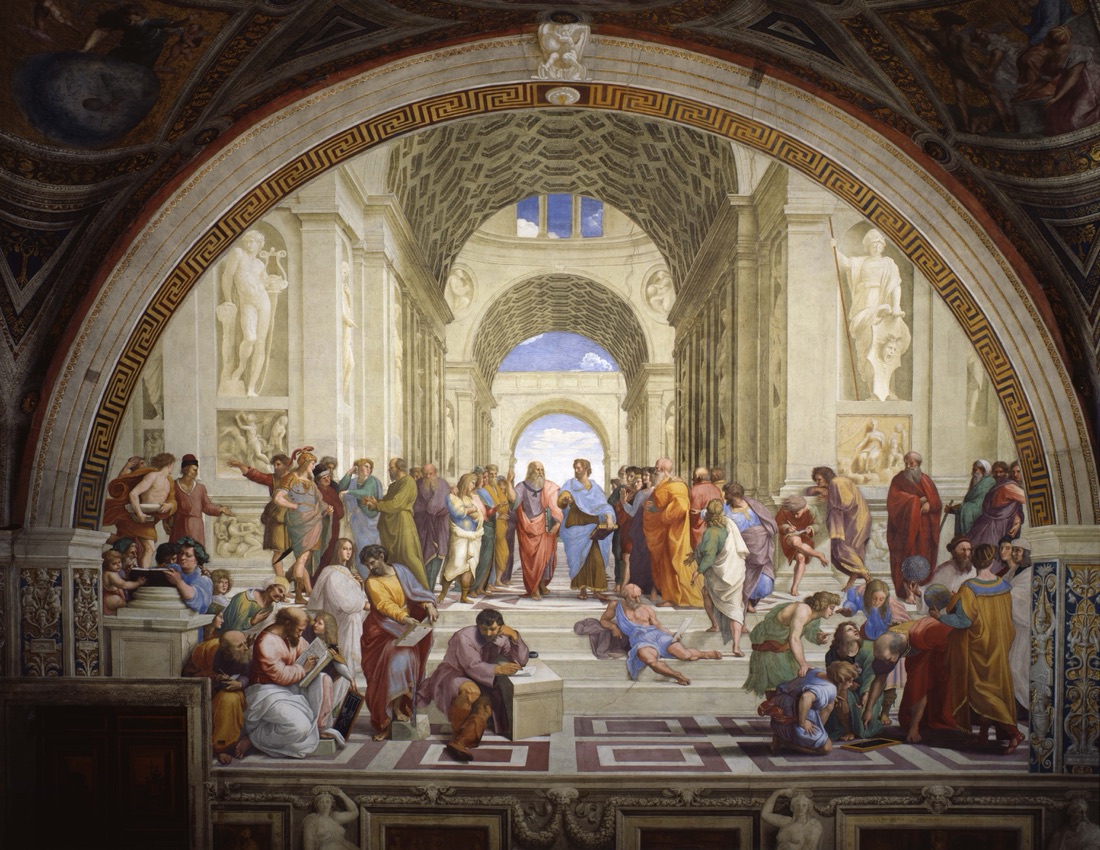
What the Pythagoreans did pass down is the conviction that number is the underlying order of things. They noticed that musical consonances line up with simple whole-number ratios, an octave at two to one, a fifth at three to two, and that discovery made it plausible to imagine the cosmos itself as numerically tuned. From there each small number picked up a character. One was the source, the monad. Two was division. Three reconciled beginning, middle, and end. Four was structure and the solid world. Ten was completeness, honored in the tetractys, the triangular arrangement of one plus two plus three plus four. This is where Western culture learned to feel that a number could have a personality. It is not, however, where anyone learned that 444 means your angels are nearby. That mapping is a twentieth-century invention, and it is worth holding the two apart.
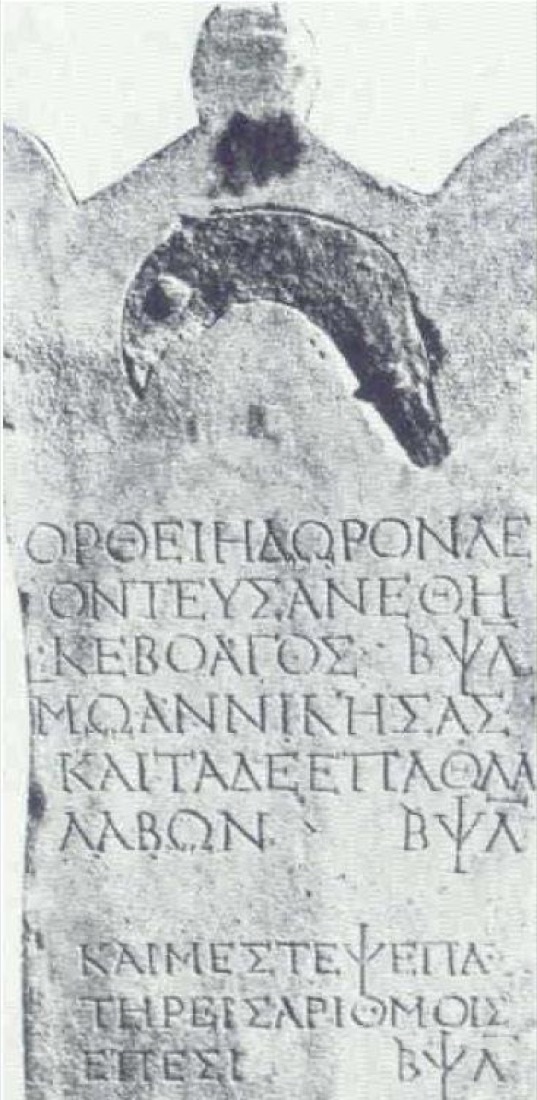
The next move was decisive. Once you have an alphabet whose letters double as numerals, words themselves become calculable. The Greeks called this practice isopsephy, from roots meaning “equal pebbles,” after the counting stones of the abacus. You sum the letter-values of a name and compare it to another word of equal value, and suddenly language hides arithmetic. This is the logic that lets Revelation 13:18 invite the reader to calculatethe number of the beast, “for it is the number of a man.” Most scholars read 666 as an isopsephic cipher, very likely for Nero Caesar rendered in Hebrew letters, which also explains the early manuscript variant of 616 that works if you spell Nero a little differently. The point worth keeping is that 666 was not born a generic unlucky number. It was coded political theology inside an apocalypse, aimed at an emperor.
The Hebrew version of the same idea is gematria, the reading of scripture through the numerical values of Hebrew letters. Britannica treats it as a genuine interpretive tool, one that rabbinic and later Kabbalistic readers used to link words and verses that happened to share a sum, sometimes dismissed as toying with numbers and sometimes defended as real insight into a difficult text. The classic example pairs the ladder of Jacob’s dream with Sinai, both summing to 130, suggesting a hidden equivalence between the two encounters with the divine. Gematria is not fortune-telling. It lives inside a tradition of textual interpretation, and conflating it with a clock that reads 3:33 does a disservice to both.
Islamic civilization developed its own letter-number bridge in the abjad system, which assigns values to the Arabic letters and was used for chronograms, talismans, manuscript ornament, and poetry long before positional numerals took over. The familiar folk total is 786, the abjad sum of the opening invocation bismillah al-rahman al-rahim, which devout users still write at the top of letters as a shorthand for the full phrase. Again, this is alphanumeric symbolism with deep cultural roots and nothing to do with angels signaling you through a parking meter. The honest framing is that Greek, Hebrew, and Arabic all built the same bridge from letters to numbers, and all three sit in the family tree of modern numerology without being its parent.
It is worth slowing down on the Nero example, because it shows the method at full strength rather than as a party trick. Hebrew has no separate numerals, so each consonant carries a value, and the consonants of “Nero Caesar” in their Hebrew spelling add up to 666. Drop the final letter, as the Latin form does, and you get 616, which is exactly the early variant some manuscripts preserve. A cipher that produces two different totals depending on which spelling a scribe knew is far more persuasive as a deliberate code than as a coincidence. For a first-century audience living under Roman power, a text that could name the emperor as the beast without writing his name was not a quirky math game. It was a way to say something dangerous out loud and survive. That is the world isopsephy belonged to, and it is a long way from a manifestation tip.
Two more strands feed the river. Kabbalah, the Jewish mystical tradition crystallized in works like the Sefer Yetzirah and the Zohar, treats the Hebrew letters as the actual building blocks of creation and arranges divine emanation into ten sefirot. That is a theology of how God relates to the world, not a lookup table for signs, but its letter-and-number mysticism passed into Renaissance Christian Kabbalah and then into the Hermetic Qabalah of Western occult orders, which is the channel through which most New Age number lore actually descends. And Chaldean numerology, the system in today’s apps that maps letters to numbers differently from the tidy Pythagorean A equals one, trades on the prestige of the ancient Mesopotamian sages whom Greek and Roman writers cast as master astrologers. The reputation is ancient. The specific letter chart is a modern reconstruction, popularized by the early twentieth-century palmist who called himself Cheiro. It is best treated as a branded lineage rather than a cuneiform inheritance.
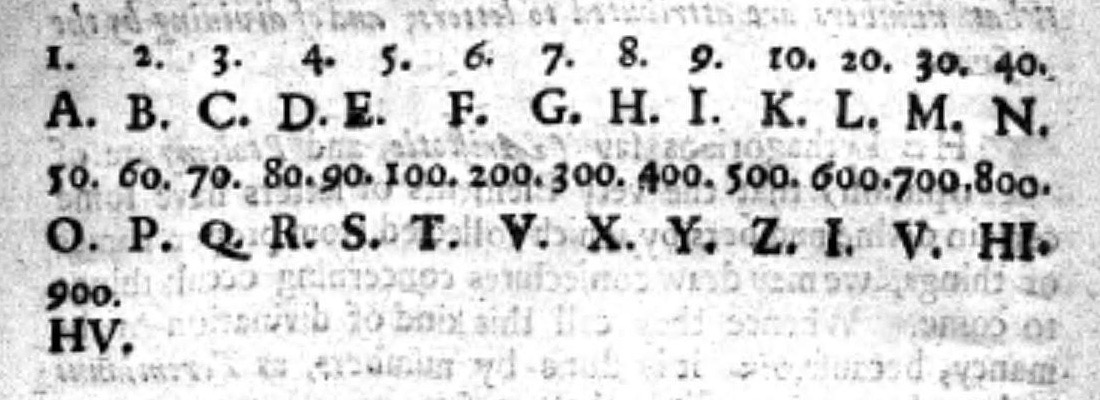
The numerology most people half-recognize, the kind that reduces your name and birth date to a single life-path number, is younger than the ancient label it wears. Its modern form took shape around the turn of the twentieth century, in the work of writers like the American L. Dow Balliett, who blended Pythagorean number ideas with biblical creation and the vibration-talk of the era. That is the moment the system we now call Pythagorean numerology actually congealed, roughly two and a half thousand years after Pythagoras. So when a creator invokes Pythagoras to lend angel numbers an air of ancient authority, two separate sleights of hand are happening at once. The numerology is not really Pythagoras’s, and the angel-number method, repeating digits as live messages, is not even classical numerology. It is a third thing, newer still.
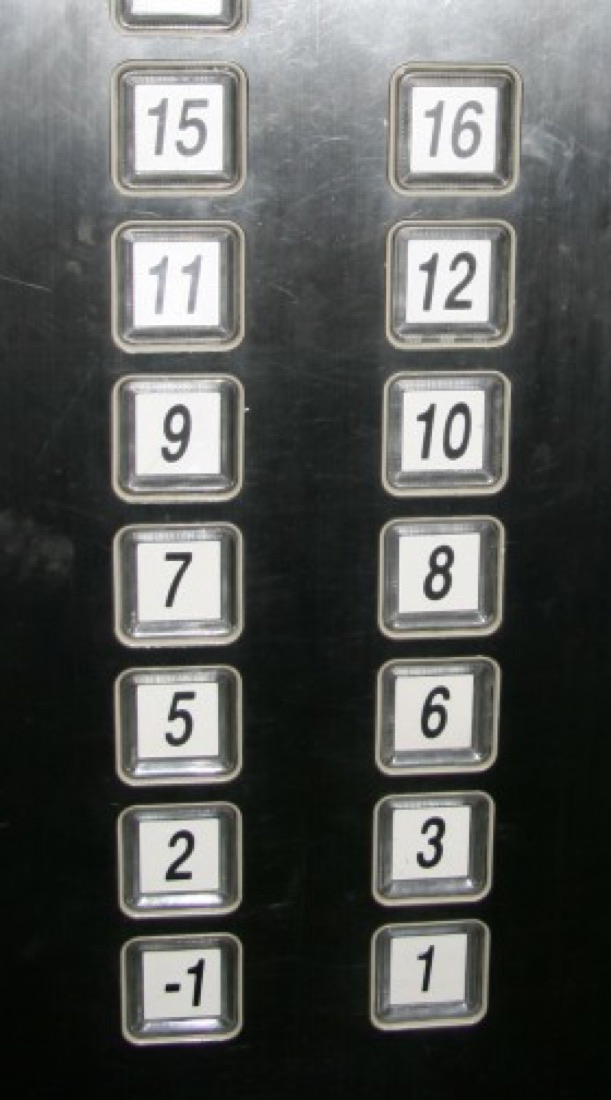
Finally, a useful corrective to the assumption that number symbolism is a Western, Pythagoras-shaped thing. Chinese numerology runs on homophony, on which numbers sound like which words. Eight is lucky because ba echoes the word for prosperity, which is why phone numbers and license plates loaded with eights sell at a premium. Four is avoided because si sounds like death, the reason plenty of buildings in China and across the Chinese-speaking world quietly skip the fourth floor the way Western buildings skip the thirteenth. None of this maps onto guardian angels, and that is exactly the point. Cultures everywhere have made numbers carry meaning, through ritual, language, and architecture, by completely separate routes. Angel numbers borrow the feeling those traditions generate without inheriting their content.
Sacred numbers in the Bible, and the long afterlife of 666
Because so much angel-number language borrows a faint biblical aura, it helps to know what the Bible actually does with numbers. Quite a lot, as it turns out, though not every figure is symbolic. Three carries emphasis and completion: Jonah’s three days in the fish, the resurrection on the third day. Seven is the heavyweight, tied to creation, the Sabbath, and covenant, then hammered through Revelation in sevens of churches, seals, trumpets, and bowls. Twelve signals a whole people or a sacred order, from the tribes of Israel to the apostles to the twelve gates of the New Jerusalem. Forty marks trial and transition: the rain of the flood, the years in the wilderness, the days Jesus spends fasting. These are real patterns, and medieval theologians and church architects read and built with them on purpose.
The number that escaped its context most thoroughly is 666. In Revelation it is presented as a puzzle requiring wisdom and calculation, and within biblical numerology it reads as a number that falls short, the repeated failure to reach the seven of completion. Its later career as a generic demonic barcode is reception history, a meaning the culture added on top. The detail I find most telling for our purposes is what happens to 666 on TikTok, where it often gets reclaimed as a gentle nudge about balance or responsibility, stripped of the beast entirely. Watching a number drift from imperial critique to demonic shorthand to a wellness reminder, all while keeping the same three digits, is a clean little demonstration of how number meanings are made and remade by the communities using them.
The woman who assembled the modern idea
All of that raw material was lying around for centuries. What it lacked was the specific, portable, sticky idea that a repeating sequence glimpsed in daily life is a message addressed to you. That piece arrived through Doreen Virtue, born in 1958 in Southern California, who worked as a psychotherapist before a 1995 carjacking that she credited to angelic intervention. She closed her practice, turned to spiritual work, and over the next two decades became one of the largest names in New Age publishing, releasing more than fifty books and oracle-card decks through Hay House and building a brand she called Angel Therapy. Angels, in her framing, were accessible helpers you could ask for guidance and read in the signs around you.
The Angel Therapy brand, which she launched in 1997, is the piece that gives the rest of her work its shape. It married the vocabulary of therapy, healing, guidance, inner child, to a metaphysics in which archangels and ascended masters were on call. People could ask the angels for help with money, love, health, or a decision, then look for the answer in dreams, hunches, repeated words, and yes, repeated numbers. By the time she got to the numbers specifically, the interpretive habit was already in place. The numbers were simply the cleanest, most repeatable channel: everyone has a clock, everyone gets receipts, and a digit sequence is easy to remember and easy to retell.
The numbers got their own dedicated reference in 2005, when Virtue and co-author Lynnette Brown published Angel Numbers, a pocket guide to sequences like 111 and 444, expanded in 2008 into Angel Numbers 101: The Meaning of 111, 123, 444, and Other Number Sequences, which walks the reader through meanings from 0 to 999 and ties each to a reassurance from the angels. It is hard to overstate how much that little book set the template. The shape you see on nearly every meanings page online today, a number, a one-line spiritual reading, a note on love and money, descends from her format. Crucially, the lookup-table design is what made the concept travel. You did not have to study numerology or reduce a birth date to a life path. You just had to notice 444 on a receipt and turn to the entry. One sighting, one meaning, no expertise required. That is also, not coincidentally, the perfect shape for a screenshot.
Virtue herself has been candid, in retrospect, about how loose the entries were. She has described the 2005 volume as fortune-cookie writing, very generalized, the kind of thing that feels personal precisely because it could apply to almost anyone on almost any day. The entries pair an ordinary sighting with a soft reassurance: you are on the right path, the ascended masters are with you, keep your thoughts positive. Read one and it lands. Read fifty and you start to notice the machinery, the way each gloss is warm, affirming, and impossible to disprove. That is not a knock on the readers who found them comforting. It is just a clear-eyed description of what the genre is, by the person who built it.
Her wider New Age framework supplied the theology that made angel numbers different from older numerology. Classic numerology is about your name and your birth date, a fixed reading of who you are. Virtue turned the whole environment into a channel. The world around you became a kind of dashboard, and any number that recurred could be a live message rather than a coincidence. That shift, from numerology as self-portrait to numbers as ambient communication, is the real invention. It also fits neatly into a lineage that runs back through Theosophy, the late nineteenth-century movement around Helena Blavatsky that stitched Western esotericism to Asian religion and seeded a great many of the hidden-masters, secret-correspondences ideas the later New Age took for granted. Virtue did not cite that lineage. She did not have to. She was swimming in its water.
The renunciation
Then she walked away from all of it, hard. In February 2017 Virtue was baptized by an Anglican priest at Kawaihae Beach in Hawaii, and later that year she publicly announced she had become a Christian and was renouncing her New Age career. There was no soft landing. She described the angel cards, the mediumship, and the practices that had made her famous as spiritually false and dangerous, and she told her former readers to leave them behind. She went back to school, earned a master’s in biblical studies, and in 2020 published a memoir, Deceived No More: How Jesus Led Me out of the New Age and into His Word.
In May 2019 she took aim at numerology in particular, in a post she titled, with no ambiguity, “Angel Numbers aren’t biblical.” Her argument leaned on Deuteronomy 18, which lists interpreting omens among the practices it calls detestable, and she apologized to anyone her work had drawn into the practice. She has only gotten more direct since. Interviewed by The Cut in 2024 for a profile bluntly headlined “Angel Numbers Aren’t Real, Says the Woman Who Invented Them,” she called the whole thing garbage, said she regretted it, and apologized for making it. You do not have to share her theology to feel the strangeness of the situation. The single person most responsible for the modern phrase turned around and begged the world to stop using it.
The fallout was not only spiritual. Her partnership with Hay House ended, former students asked for refunds, and by her own account the reversal left her with debt and tax problems. Meanwhile her old material kept circulating with the serial numbers filed off. There is a genuine irony in watching TikTok creators quote her exact 111-through-999 meanings while she records videos a few clicks away explaining why she repudiated them. Plenty of devotees, told that the woman who coined the term now calls it false, simply shrug and say the angels can still use the numbers whether or not she believes in them anymore. The concept had outgrown its author, which is usually the sign that something has crossed from a product into a piece of culture.
The resurgence she could not call back
It did not stop. It got bigger, and it got bigger in a place she had no reach. Through the early 2020s angel numbers became native social-media content, fully detached from Virtue and carried by a new wave of creators on WitchTok, manifestation accounts, and astrology pages. By late 2023 the #AngelNumbers hashtag on TikTok had run past 950 million views, and a number like 333 was drawing roughly half a million Google searches a month for its meaning. None of those creators needed a founder. Most of them had never heard of one.
The format and the moment fit each other almost too well. A fifteen-second video showing a clock or a receipt and a single tidy meaning is built to be reshared, and the comments turn into a communal dictionary. The early-2020s backdrop helped: a pandemic, economic wobble, and a general drift away from institutions left a lot of people reaching for low-stakes ways to feel guided. Angel numbers ask for no money, no initiation, and no teacher. Anyone with a phone clock can play.
A few engines drive the spread, and they are worth naming because they explain why the trend feels both everywhere and slightly different every time you meet it. The first is straight inheritance: Virtue and Brown’s glossary is the substrate, quoted, remixed, and contradicted by creators who mostly do not know where it came from. The second is the life-path how-to video, which teaches viewers to reduce a birth date to a single digit and call that their personal number, grafting old-school numerology onto the new vocabulary. The third is celebrity proof. Press coverage points to Kylie Jenner wearing a 222 necklace and Kristin Cavallari getting an 1111 tattoo, and a famous person treating a number as meaningful does more to normalize the practice than any argument could. The fourth is the platform itself, which rewards the little ritual of noticing: film the clock, name the number, watch the comments fill with people reporting the same sighting. Put those together and you get a self-sustaining folk practice that no longer needs a book, a teacher, or a founder to keep going.
Something also changed about how the meanings hold still, or rather stop holding still. Virtue’s books offered a fixed table. Social media gives you thousands of authors editing the table in real time, rewarding emotional resonance over historical consistency. One creator calls 666 a reminder to rebalance your thoughts, another avoids it for its Christian baggage, a third folds in the Chinese logic that eights mean money. The result is a practice that is simultaneously more popular than it has ever been and less centered than it was in 2005. It became folklore, which is to say it stopped having an author at all.
Why a number really does seem to follow you
Here is the part the meaning pages skip. The experience of a number suddenly turning up everywhere is real, common, and well explained, and the explanation does not require any angels. It is mostly the frequency illusion, popularly called the Baader-Meinhof phenomenon. The Stanford linguist Arnold Zwicky gave it the name “frequency illusion” in 2005, describing the mix of selective attention and confirmation bias that makes a thing seem to multiply once you start noticing it. You learn that 11:11 is meaningful, your attention tunes to it, and now you catch every 11:11, every $1.11, every gate B11. The world did not start producing more elevens. You started counting them, and you stopped counting the thousands of unremarkable times you glanced at a clock and saw nothing.
The digital version runs hotter than anything our ancestors dealt with. Say you watch a video about 444. Your attention is now primed, so you catch 4:44 on the microwave, a $4.44 coffee, a delivery van whose plate ends 444. Each hit feels like confirmation, and because the feeling is pleasant you linger on that content, which teaches the recommendation engine to feed you more of it. Now the number is not just personally recurrent, it is everywhere on your feed, and the loop tightens. The bias was always there. The algorithm simply supplies an unlimited stream of fresh examples and a crowd of strangers in the comments confirming that they see it too. It is a powerful machine for turning a coincidence into a pattern, and none of it requires a single number to have been placed on purpose.
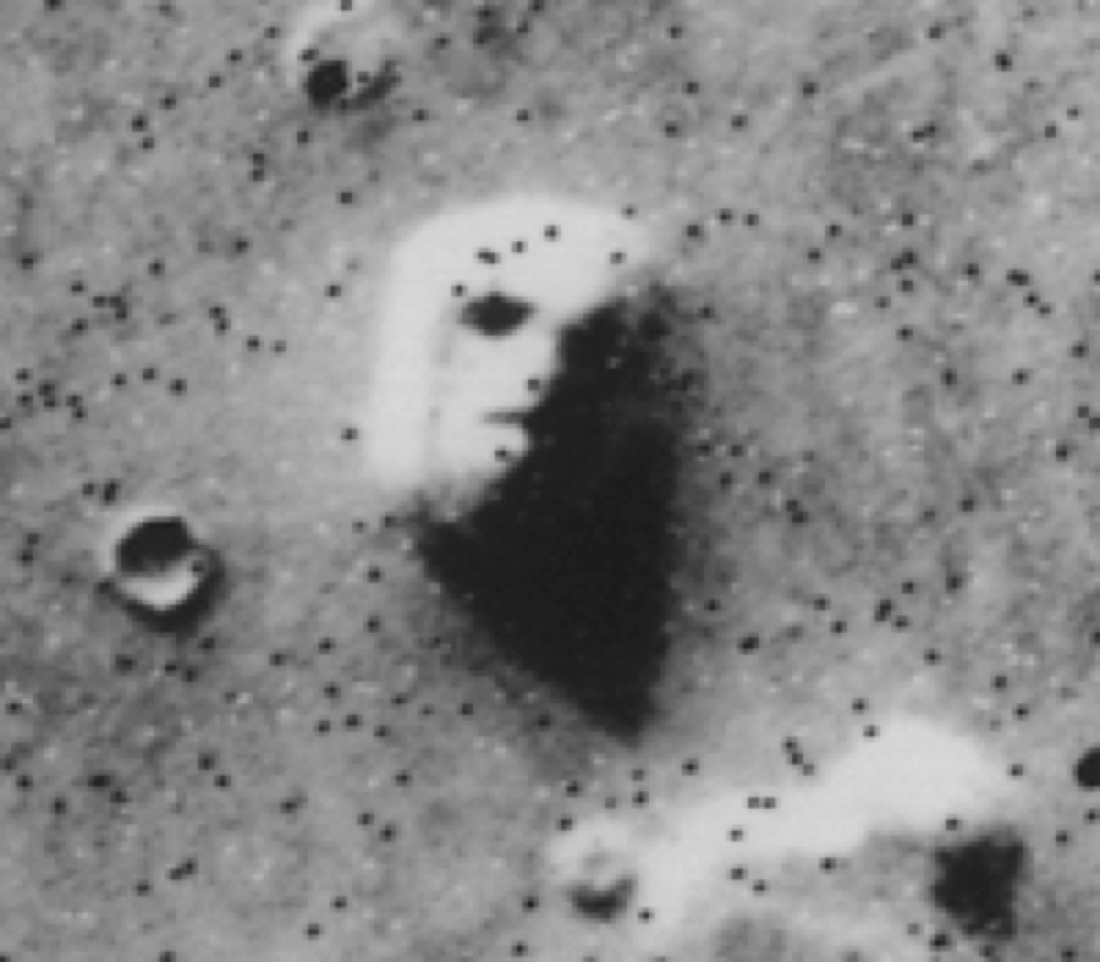
Underneath that sits a broader tendency called apophenia, the perception of meaningful patterns in random data, and its visual cousin pareidolia, the face you see in a cloud or in the headlights of a car. Michael Shermer calls the general impulse patternicity and argues it is something evolution built into us, because a brain that occasionally cries wolf at a harmless rustle survives better than one that ignores the real predator. Reading a repeated number as a message addressed to you is that machinery doing its ordinary job. The catch is the leap from a real perception to an external cause. A clock at 11:11 feels meaningful because it is symmetrical and culturally marked and you were primed to watch for it. That feeling is genuine. It does not establish that anyone chose the moment for you.
Which is why the careful answer about whether angel numbers are “true” has two halves that both need saying. Numerology, the broader claim that arbitrary number-meanings reveal fate or character, is classed by scientific and skeptical sources as a pseudoscience, because it makes predictive claims with no testable mechanism and no reproducible evidence. Numbers are indispensable to actual science. The pseudoscientific move is to read supernatural causation into a symbolic coincidence. So no, there is no validated sense in which 555 objectively forecasts a life change. And yet the lived experience is not nothing. Angel numbers are real as a psychological and cultural event. They focus attention, they offer comfort during uncertainty, they give a shapeless feeling a shape. They can also feed confirmation bias and let someone outsource a decision they should make themselves. A serious history should refuse to either mock the people who find them meaningful or pretend the meaning is proof.
What the history actually leaves you with
Put the whole arc together and a clear thesis falls out. Angel numbers are a twenty-first-century remix of an ancient human habit. The instinct to read meaning into numbers is genuinely old and genuinely cross-cultural, from Pythagorean ratios to gematria to the lucky eights of a Chinese phone number. The particular practice, repeating digits as personal messages from the unseen, is new, traceable to one author and one pocket book in the 2000s. The reason a number seems to chase you is well understood and perfectly natural. And the claim that the number was sent has never been demonstrated and probably cannot be. Historically rooted, psychologically explainable, culturally alive, scientifically unproven. All four at once.
Knowing that does not have to spoil anything. If a 444 on a receipt makes you pause and take a breath before a hard day, the recent invention of its meaning does not cancel the pause. It just hands the meaning back to you instead of to an expert or a glossary. You can keep the comfort, drop the parts that clash with what you believe, and decide for yourself what a given sighting is asking. That is the whole stance behind the Angel Numbers app: save the moment and the wish you made on it, and a few months of those saved moments will tell you more about what you have been wanting than any meaning page can. The history is a good story. The next number you notice is yours to do something with.